
Acyclovir
Tab 200, 400, 800| Inj 50mg/ml | Syp 5m/200mg,
5ml/400mg | Cream 5%
Indication: HSV Encephalitis, Varicella Zoster
Dose:
-
- HSV encephalitis:
-
- 20 mg/kg/dose x TDS x IV for 14-21 days (60mg/kg/day)
-
- HSV encephalitis:
-
- Varicella zoster (Chicken Pox):
-
- PO: 20 mg/kg/dose QID for 5 days (Start treatment within 24 hrs of onset of rash)
-
- IV: 5-10mg/kg/dose TDS for 5 -10 days
-
- Varicella zoster (Chicken Pox):
-
- Herpes Labialis
-
- >12 Years: Cream Acyclovir 5% LA x 5 times a day x 4 days
- Max dose: Oral: 80mg/kg/24 hr
-
- Herpes Labialis
Notes: Adequate hydration should be maintained during therapy. Administer slowly(over one hour) to prevent renal damage. Use with caution in liver disease and epilepsy. Do not refrigerate solution because it can cause precipitation of the drug.
Adrenaline/ Epinephrine
1ml = 1mg (1:1000) |0.1mg/ml (1:10000) * 1ml Adrenaline
(1mg) + Inj NS 9ml |Racemic epinephrine 2.25%
Indication: Anaphylaxis, Croup, Asystole, Bradycardia, Bronchospasm
Dose:
-
- Asystole/ Bradycardia
-
- Neonate : IV, Intratracheal:
-
- 0.01-0.03 mg/kg every 3-5 min as needed (0.1-0.3 ml/kg of 1: 10,000 solution)
-
- Neonate : IV, Intratracheal:
-
- Infants and Children:
-
- IV- 0.01 mg/kg (0.1 ml/kg of 1:10,000 solution). Max: 1 mg (10ml), may be repeated every 3-5 min as needed.
-
- Intratrachea (ET)- 0.1 mg/kg (0.1 ml/kg of 1:1000 solution) repeat every 3-5 minutes
-
- Infants and Children:
-
- Asystole/ Bradycardia
-
- Bronchodilator
- Subcutaneous- 0.01 ml/kg/dose ( 1:1000 solution) (max. single dose 0.5 mL)
- Repeat Q15 min × 3–4 doses (Also use in angioedema, urticaria, anaphylactic shock)
-
- Nebulization (Post extubation, Anaphylaxis,Croup):
-
- Croup:
-
- 0.5ml/kg per dose (max 5ml) of 1:1000 over 15 minutes (can be repeated every 15-20 mintues upto 3 to 4 dose. Cardiac monitoring required
-
- Max. doses: ≤4 yr: 2.5 mL/dose; >4 yr: 5 mL/dose
-
- 0.5ml/kg per dose (max 5ml) of 1:1000 over 15 minutes (can be repeated every 15-20 mintues upto 3 to 4 dose. Cardiac monitoring required
-
- Racemic epinephrine 2.25%: 0.5 mL/dose diluted to 3 mL with NS via a nebulizer over 15 min Q3–4 hr
-
- Croup:
-
- Neonate (Post extubation):
-
- Epinephrine (1:1000) 1ml= 0.1ml of racemic epinephrine
-
- 0.25-0.5ml of racemic epinephrine solution diluted with NS to a total volume of 3 ml given by nebulizer over 15
minutes.
- 0.25-0.5ml of racemic epinephrine solution diluted with NS to a total volume of 3 ml given by nebulizer over 15
-
- Neonate (Post extubation):
-
- Subcutaneous- 0.01 ml/kg/dose ( 1:1000 solution) (max. single dose 0.5 mL)
- Bronchodilator
-
- Hypersensitivity
-
- IM: 0.01 mg/kg per dose (max 0.5mg per dose) of 1:1000 solution (Repeat after 15-20 minutes)
-
- Hypersensitivity
Side effects: Increased heart rate, nervousness, sweating, pallor, headache
Notes: Racemic epinephrine is mixture of the R- and L- forms (isomers) of epinephrine. It is more potent at reducing laryngeal edema.
Adrenaline and Noradrenaline (IV Infusion)
Indication: Hypotension, Shock
Dose:
-
- 0.1-1mcg/kg/min
-
- (Wt in Kg x 0.6)mg in 25ml NS or 5% Dextrose
-
- 1ml/hr- 0.4mcg/kg/min
-
- (Wt in Kg x 0.6)mg in 25ml NS or 5% Dextrose
-
- 0.1-1mcg/kg/min
-
- Wt in Kg x 0.6)mg in 50ml NS or 5% Dextrose
-
- 1ml/hr- 0.2mcg/kg/min
-
- Wt in Kg x 0.6)mg in 50ml NS or 5% Dextrose
Side effects: Increased heart rate, hypertension, anxiety
Albendazole
Tab 200, 400 mg | Syp 10ml/ 400mg
Indication: Helminthic infections, Neurocysticercosis
Dose:
-
- Not recommended for <1 yr
-
- For 1-2 Years:
-
- Give 200mg PO HS (Single Dose)
-
- For 1-2 Years:
-
- For >2 Years:
-
- Give 400mg PO HS (Single Dose)
-
- For >2 Years:
-
- Neurocysticercosis:
-
- 15 mg/kg/day in 2 divided doses for 28 days (Max: 800 mg/day)
-
- Neurocysticercosis:
Side effects: Nausea, headache, dizziness
Notes: Corticosteroids should be administered 1-2 days before initiating albendazole therapy in patients with neurocysticercosis and should be followed by concurrent steroid and anticonvulsant therapy for the first week. Bioavailability is increased with fatty meal.
Adenosine
Inj 6mg/2ml
Indication: ·Paroxysmal supraventricular tachycardia (PSVT)
Dose:
-
- Neonate:
-
- 0.05mg/kg/dose rapid IV push followed by NS flush. If not effective by 1-2 minutes, increase dose by 0.05mg/kg/dose every 1-2 minutes to maximum single dose of 0.25mg/kg until termination of SVT.
-
- Neonate:
-
- Child:
-
- 0.1–0.2 mg/kg (initial max. dose: 6 mg) by rapid IV push over 1–2 seconds; may increase dose by 0.05-mg/kg increments every 2 min to a max. of 0.25 mg/kg (up to 12 mg), or until termination of SVT. Max. subsequent single dose: 12 mg.
-
- Child:
-
- >50kg or Adult
-
- 6 mg rapid IV push over 1–2 seconds; if no response after 1–2 min, give 12-mg rapid IV push. May repeat a second 12-mg dose after 1–2 min if required. Max. single dose: 12 mg
-
- >50kg or Adult
Notes: Always administer by IV site closest to the heart antecubital vein or via CVP. Half-life of Adenosine is around 10 seconds so it should be given rapidly. Contraindicated in second or third degree A-V block, sick sinus syndrome.
Albumin (5%, 20%, 25%)
Indication: Hypoalbuminemia, Hypovolemia, Hypoprotenemia, Burns, Acute liver failure
Dose:
-
- Use 5% Albumin in neonate
-
- Hypoalbuminemia: 0.5-1gm/kg/dose given over 4 hours. Repeat every 1-2 days
-
- Hypovolemia: 0.5g/kg/dose infuse over >60 min. Rapid infusion over 10-20 min in hypovolemic shock.
-
- Max: 1 g/kg/day in neonates and 6 g/kg/day in
children
- Max: 1 g/kg/day in neonates and 6 g/kg/day in
Side effects: Fluid overload, hypersensitivity reactions, hypertension
Notes: Rapid infusion may result in vascular overload. Rate of infusion should be 2-4 ml/min of 5% and 1 ml/min of 25% albumin. Albumin 5% should be used for hypovolemic patients and 25% should be used for patient with fluid or sodium restriction.
Aminophylline
Inj 25mg/ml
Indication: : Asthma, Apnea of prematurity, Bradypnea
Dose:
-
- Acute bronchospasm (Asthma/Reactive airway
disease)-
- IV:
-
- Loading dose of 6 mg/kg diluted to 1 mg/ml and infuse over 30 min followed by 0.6-1.5 mg/kg/hr as continuous infusion, if already on oral therapy, omit loading dose.
-
- IV:
-
- PO:
-
- 15-20 mg/kg/day divided every 4 to 6 hours
-
- Ensure there is no history of administration of theophylline in the past 24 hours.
-
- PO:
-
- Acute bronchospasm (Asthma/Reactive airway
-
- Apnea of prematurity
-
- Loading dose: 5–6 mg/kg IV over 30 minutes
-
- Maintenance dose: 1–2 mg/kg/dose 8 hourly (After 12 hours of loading dose)
-
- Continuous infusion: 0.2mg/kg/hr
-
- Apnea of prematurity
Side effects: : Seizures, tachyarrhythmias, feeding intolerance in neonates, gastroesophageal reflux, vomiting, CNS irritability
Notes: : With hold dose if heart rate greater than 180 beats/min
Amikacin
Inj 100mg/2ml | 250mg/2ml | 500mg/2ml
Indication: Gram-negative bacilli (E. coli, Klebsiella, Proteus, Enterobacter, Serratia, Pseudomonas, Mycobacterium tuberculosis and Atypical mycobacteria)
Dose:
-
- Neonates (IV, IM):
-
- 15mg/kg/dose OD
-
- Neonates (IV, IM):
-
- Infants and children:
-
- 15mg/kg/day OD
-
- Infants and children:
-
- Anti tubercular dose:
-
- 15-30 mg/kg/day (Max dose: 1 g)
-
- Anti tubercular dose:
Side effects: Nephrotoxicity, ototoxicity
Notes: Hold the drugs when if there is AKI (Raise cretinine level) or give the renal dose.
Amoxicillin
Syp- 5ml/125mg | Drop- 1ml/100mg | Cap- 500mg | DT250mg
Indication: LRTI, Pneumonia, Otitis Media, Sinusitis, Enteric fever
Dose: (PO)
-
- Neonates:
-
- 20-30 mg/kg/day BD
-
- Infants and Children:
-
- 50-80 mg/kg/day TDS or BD
-
- Max: 2-3g/24 hr
-
- 50-80 mg/kg/day TDS or BD
-
- Infants and Children:
-
- Tonsillitis/pharyngitis (S. pyogenes):
-
- 50 mg/kg/24 hr TDS or BD PO × 7 days
-
- Max. dose: 1 g/24 hr
-
- 50 mg/kg/24 hr TDS or BD PO × 7 days
-
- Tonsillitis/pharyngitis (S. pyogenes):
-
- Enteric fever:
-
- 100 mg/kg/day for 14 days
-
- Enteric fever:
-
- Neonates:
Side effects: Diarrhea, rash, hypersensitivity reactions
Notes: Common side effects of Amoxicillin is diarrhea. If diarrhea occur, stop the medicine and give Syp Bifilac and send the Stool R/M/E.
Amoxyclav (Amoxicillin- Clavulanic Acid)
Cap- 625mg (500mg +125mg)|DT- 375mg (250mg
+125mg)|Syp- 5ml (200mg+28.5mg)
Indication: Tonsillitis, LRTI, Pneumonia (Same as amoxicillin in addition β-lactamase producing M. catarrhalis, H. influenzae, Niesseria and S. aureus, Klebsiella)
Dose: ( Based on Amoxicillin component)
-
- 1-3 months:
-
- 30 mg/kg/day PO BD
-
- 1-3 months:
-
- >3 months and children:
-
- 50-80 mg/kg/day PO TDS
-
- >3 months and children:
-
- IV-100mg/kg/day TDS for 7-14 day
Side effects: Diarrhea, rash, hypersensitivity reactions
Ampicillin
Inj 100mg, 250mg, 500mg | Cap 250mg, 500mg | Syp
5ml/125mg
Indication: EONNS, Sepsis, Meningitis (Active against Streptococci, Pneumococci, Enterococci, some strains of H. influenzae, Salmonella, Shigella, E. coli and Klebsiella)
Dose:
-
- Neonate:
-
- 100mg/kg/dose BD
-
- Neonate:
-
- Infants and Children:
-
- IV: 100-200 mg/kg/day QID
-
- PO: 50–100 mg/kg/day QID (Max dose: 4 g/24
hr)
- PO: 50–100 mg/kg/day QID (Max dose: 4 g/24
-
- Infants and Children:
-
- Sepsis: 200mg/kg/day TDS
-
- Meningitis: 300mg/kg/day TDS
Side effects: Diarrhea, rash, hypersensitivity reactions
Ampiclox
Syp- 5ml/125mg, 5ml/250mg | Drop- 1ml/100mg | Capsule250mg, 500mg | DT-125mg, 250mg | IV- 500mg, 1gm
Indication: EONNS, Pneumonia, Bronchiolitis, LRTI
Dose:
-
- IV
-
- Neonate:
-
- 200mg/kg/day BD
-
- Infant and children:
-
- 200mg/kg/day QID (Max-4gm)
-
- IV
-
- PO
-
- 100mg/kg/day QID
-
- PO
Side effects: Diarrhea, rash, hypersensitivity reactions
Antacid
5ml/ 200mg (AlOH) + 200mg (MgOH) + 25mg (Simethicone)
Indication: Acid reflux, Peptic ulcer disease, bloating
Dose:
-
- 5 to 15 ml PO TDS
-
- (Weight/2 ) ml BD/ TDS
Side effects: Constipation, diarrhea, nausea It is usually taken prior to your food almost 30 to 45 minutes before.
Anti-Tubercular
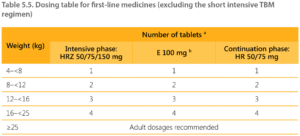
- Always add pyridoxine to prevent peripheral neuropathy
Dose: 10mg PO OD x 6 months
Notes: : Pulmonary TB and EP TB are treated for 6 months (2 months of HRZE + 4 months HR). All severe forms of EP TB are treated for 9-12 months. This includes TB meningitis, TB osteomyelitis, military TB, TB pericarditis/effusion, and other severe forms of TB (2 months HRZE+ 7-10 months HRE, a total of 9 to 12 months duration)
Atropine
Inj 0.4mg/ml, 0.6mg/ml, 1mg/ml
Indication: Bradycardia, OP Poisoning
Dose:
-
- OP Poisoning:
-
- IV- 0.05-0.1 mg/kg every 5-10 minutes until sign of atropinization. Start Atropine Infusion as (20% of atropinization dose (ml)/hr)
-
- OR,
-
- <12 years: 0.05mg/kg IV
-
- > 12 yrs: 1-2 mg/dose IV
-
- OR,
-
- OP Poisoning:
-
- Sinus bradycardia:
-
- Neonate:
-
- 0.01–0.03 mg/kg/dose IV/IM every 10–15 min when required up to a total maximum of 0.04 mg/kg. (Administer IV over 1 min)
-
- Neonate:
-
- Child:
-
- 0.02 mg/kg/dose IV Q5 min × 2–3 doses when required
-
- Max. single dose: 0.5 mg in children, 1 mg in adolescents
-
- Max total dose: 1 mg children, 2 mg adolescents
-
- Child:
-
- Sinus bradycardia:
-
- Bronchospasm
-
- Inhalation- 0.03-0.05 mg/kg/ dose 3-4 times/day (Max: 2.5 mg/dose) in 2.5ml NS every 6-8 hours via nebulizer
-
- Bronchospasm
Side effects: Dry mouth, blurred vision, tachycardia
Notes: : Give IV by rapid IV push as slow injection may result in paradoxical bradycardia. Contraindicated in thyrotoxicosis, tachycardia, obstructive disease of GI tract, obstructive uropathy, glaucoma.
Azithromycin
Syp- 5ml/100mg, 5ml/200mg| Tab- 100mg, 250mg, 500mg|
Inj 500mg
Indication: URTI, Typhoid fever, Scrub Typhus, LRTI, Pneumonia, Pertusis
Dose: 10-20 mg/kg/day PO OD for 5 fays (Max: 500 mg/day)
-
- Pharyngitis/Tonsilitis (2-15 yrs)
-
- 12 mg/kg/24 hr PO once daily × 5 days (max.
dose:500 mg/24 hr
- 12 mg/kg/24 hr PO once daily × 5 days (max.
-
- Pharyngitis/Tonsilitis (2-15 yrs)
-
- Typhoid: 20 mg/kg/day PO OD x 7 days
-
- Intravenous: 10-20mg/kg/day OD
Side effects: : Nausea, vomiting, diarrhea, abdominal pain
Betamethasone
Ointment 0.1% W/W
Indication: : Phimosis
Dose: 0.1% LA BD x 15 days
Side effects: Fibrosis
Notes: Tell parents to apply ointmen to forskin after cleaning it. Then, retract the foreskin for about 1 minute. Tell them not to leave the foreskin retracted as it might cause paraphimosis.
Bifilac (Pre and Probiotic granules)
5ml/Lactic acid bacillus, Streptococcus fecalis, Colistridiumbutyricum, Bacillus mesentricus
Indication: : Diarrhea, Irritable bowel syndrome, Gut flora imbalance
Dose:
-
- <2yr- 2.5ml BD;
-
- >2yr- 5ml BD x 5 days
-
- Or
-
- <10kg: 2.5ml PO BD x 5days
-
- >10kg: 5ml PO BD x 5 days
Side effects:Bloating, gas, upset stomach
Brica-BM (Pediatric)
(Bromhexine Hcl 4 mg + terbutaline sulphate 1.5 mg )/ 5ml
Indication: Productive cough, Asthma
Dose:
-
- <3 year: 2.5ml TID
-
- 3-6 year: 2.5-5ml TID
-
- 7-15 year:5-10ml TID
Side effects: GI side effects, headache, dizziness, sweating, skin rashes, tremor, headache, nervousness, restlessness, transient hypoglycaemia, dizziness, drowsiness, insomnia, dry mouth
Budecort MDI
200mcg Budesonide/dose
Indication: Asthma, Reactive Airway Disease
Dose:
-
- 200mcg 1 puff BD
-
- Max: 1mg/day
Side effects: Throat irritation, cough, hoarse voice, oral candidiasis (Tell patient to rinse mouth after each use either use water or give breastfeeding )
Buscopan (Hyoscine Butyl Bromide)
Inj 20mg/ml | Tab 10mg , 20mg
Indication: Abdominal colic, Renal colic
Dose:
-
- Oral:
-
- 5-12 Years: 10mg/dose PO TDS x 2 days then
SOS
- 5-12 Years: 10mg/dose PO TDS x 2 days then
-
- 12-18 years: 20mg/dose PO TDS
-
- Oral:
-
- IV:
-
- < 6 years: 5mg/dose TDS
-
- 6-12 years: 5-10 mg/dose TDS
-
- >12 years: 20mg/dose TDS
-
- IV:
Side effects: Dry mouth, dizziness, blurred vision, constipation
Caffeine Citrate
Inj 20mg/ml
Indication: Idiopathic apnea of prematurity
Dose:
-
- Loading dose:
-
- 20 mg/kg IV over 30 mintues
-
- Loading dose:
-
- Maintenance dose:
-
- Give after 24 hours of loading dose
-
- 5 -10 mg/kg/day caffeine base OD IV (Given
over 10 minutes)
- 5 -10 mg/kg/day caffeine base OD IV (Given
-
- Maintenance dose:
Side effects: Tachycardia, extrasystole, restlessness, arrhythmia, insomnia, restlessness, excitement, nervousness, scintillating scotoma, tinnitus, muscular tremor, headache, light headedness, urticaria, dry skin, rash, vomiting, nausea, diarrhea, stomach pain,
necrotizing enterocolitis, gastritis, diuresis, hyperglycemia.
Calcium gluconate
Inj 100 mg/mL (10%)
Indication: Hypocalcemia
Dose:
-
- Hypocalcaemia
-
- Loading:
-
- 1-2ml/kg (100-200mg/kg) of calcium gluconate 10% as a single dose IV over 5-10 minutes (Slowly not >10ml)
-
- Loading:
-
- Maintenance:
-
- 2-8ml/kg/day (200-800mg/kg/day) IV infusion over 24 hours
-
- Maintenance:
-
- Cardiac arrest and hyperkalemia :
-
- 100 mg/kg/dose IV over 10 minutes
-
- Cardiac arrest and hyperkalemia :
-
- Hypocalcaemia
Side effects: Hypotension, bradycardia, arrhythmias, hypercalcemia, hypophosphatemia.
Notes: : 10% Ca gluconate means 100mg/ml of Ca gluconate- 8-9mg/ml of elemental Ca). IV solution should be diluted to 50 mg/ml and be given slowly over 1 hr under monitoring. Use with caution in patient on digitalis therapy
Calvit
Syp 10ml/ 200IU (Vitamin D3)+ 400mg (Calcium
Phosphate) | Tab Calvit
Indication:Calcium Deficiency, Growing pain
Dose: (Based on Calcium Phosphate)
-
- PO: 75 mg/kg/day PO BD x 10-15 days
-
- > 12 Year
-
- Tab Calvit 1 tab PO OD TDS x 10-15 days
-
- > 12 Year
Side effects: Constipation, Nausea
Calamine Lotion
Calamine 15%, Zinc Oxide 5%, Menthol 0.5%
Indication: Topical anti-pruritic, Skin soothing and
protective
Dose: Applied to affected area three times daily for
up to 5-10 days.
Side effects: Mild itching, tingling, or irritation
Notes: Should not be applied in open wound or broken
skin
Candid Mouth paint
Clotrimazole 1% w/v
Indication: Oral Candidiasis
Dose: LA TDS x 5days
Side effects: Mouth Irritation
Cefixime
Syp: 5ml/50mg, 5ml/100mg | DT: 50mg, 100mg, 200mg,
400mg
Indication: : UTI, Diarrhea, Enteric Fever, Mesentric
adenitis
Dose:
-
- 10-20mg/kg/day BD
-
- Enteric fever: 20mg/kg/day x 14 days
-
- Adolescent: 200mg PO BD x 7 days
Side effects: Pseudomembranous colitis, Nausea, Diarrhea, Abdominal Pain, Headache
Carbamazepine
Syp 100mg/5ml| Tab 200mg, 400mg
Indication: Prophylaxis of generalized tonic-clonic, partial, mixed partial or generalized seizures, Trigeminal neuralgia or diabetic neuropathy, Bipolar disorders; myotonic muscular dystrophy
Dose:
-
- < 6 years
-
- Initial: 10–20 mg/kg/24 hr PO ÷ BID-TID (QID for suspension)
-
- Increment: Q5–7 days up to max. dose of 35 mg/kg/24 hr PO
-
- < 6 years
-
- 6-13 years
-
- Initial: 10 mg/kg/24 hr PO ÷ BID up to max. dose: 100 mg/dose BID
-
- Increment: 100 mg/24 hr at 1 wk intervals (÷ TIDQID) until desired response is obtained.
-
- Maintenance: 20–30 mg/kg/24 hr PO ÷ BID-QID; usual maintenance dose is 400–800 mg/24 hr; max. dose: 1000 mg/24 hr.
-
- >12 years
-
- Initial: 200 mg PO BID Increment: 200 mg/24 hr at 1 wk intervals (÷ BID-QID) until desired response is obtained. Maintenance: 800–1200 mg/24 hr PO ÷ BID-QID
-
- Max dose:
-
- 12–15 yr: 1000 mg/24 hr
-
- >15 yr: 1200 mg/24 hr
-
- Max dose:
-
- >12 years
-
- 6-13 years
Side effects: Exacerbation of seizure, sedation
Cefotaxime
Inj 500mg, 1gm, 2gm, 10gm
Indication: Pneumonia, UTI, Meningitis, Pyelonephritis, Epiglotitis, SSTI, Bone and joint, Intraabdominal and genitourinary tract infections (Used in neonate or patient with impaired liver function)
Dose:
-
- Neonates (0-4 weeks)
-
- < 7 days:
-
- < 2kg: 50mg/kg/dose BD
-
- > 2kg: 50mg/kg/dose TDS
-
- < 7 days:
-
- > 7days:
-
- <1.2 kg: 50mg/kg/dose BD
-
- 1.2-2kg: 50mg/kg/dose TDS
-
- >2kg: 50mg/kg/dose QID
-
- > 7days:
-
- Infant and children
-
- <12 years or <50 kg:
-
- 100-200 mg/kg/day IV/IM in 6-8 hourly divided doses for 7-14 days.
-
- For severe infections, meningitis use the dose of 200 mg/kg/day.
-
- <12 years or <50 kg:
-
- >12 years or >50 kg:
-
- 1-2 g /doseIV/IM every 8 hours for 7-14 days. For severe infections, meningitis use the dose of 2 g/day. (Max: dose: 12 g/day)
-
- >12 years or >50 kg:
-
- Infant and children
-
- Neonates (0-4 weeks)
Side effects: Diarrhea, Rash, Nausea, Injection site inflammation, hypersensitivity (rash, pruritus, fever, urticaria and anaphylaxis), pseudomembranous colitis
Cefpodoxime
Syp: 5ml/50mg, 5ml/100mg | Drop: 1ml/100mg | Tab:
100mg, 200mg | DT: 50mg
Indication:Pharyngititis or tonsilitis, Acute maxillary sinusitis, skin and skin structure infections, UTIs, ASOM
Dose: 10mg/kg/day/BD x 5- 10 days
Side effects: Nausea, allergic reaction
Ceftriaxone
Inj 250mg, 500mg, 1gm, 2gm
Indication: Meningitis, Typhoid, Pneumonia, Otitis media, Pyelonephritis, Septicemia, UTI
Dose: : IV
-
- Infants and children:
-
- Mild to moderate infection: 50-75 mg/kg/day every 12 hourly (Max dose: 2gm/24hr)
-
- Meningitis and typhoid fever: 100mg/kg/day every 12 hourly (Max dose: 2gm/dose)
-
- Ceftriaxone: 75-100 mg/kg/day BD
-
- Infants and children:
-
- Adolescent: 1–2 g/dose Q12–24 hr IV/IM; max. dose: 2 g/dose and 4 g/24 hr
Side effects: Injection site inflammation, rash, pruritus, fever, eosinophilia, urticaria, anaphylaxis
Cefuroxime
Inj 750mg, 1.5mg | Tab 125mg,250mg, 500mg| Syp 125,
250mg/5ml
Indication: Bone and joint infection, sepsis, URTI, UTI, Otitis media, acute bacterial sinusitis, Impetigo
Dose:
-
- IV/IM
-
- Neonate <7 days: 100 mg/kg/day divided 12 hourly IV
-
- >7 days: 150 mg/kg IV/IM divided 8 hourly.
-
- Neonate <7 days: 100 mg/kg/day divided 12 hourly IV
-
- > 3 mo
-
- Mild/moderate infection: 75–100 mg/kg/24 hr ÷ Q8 hr; max. dose: 1500 mg/dose
-
- Severe infection: 100–200 mg/kg/24 hr ÷ Q6–8 hr; max. dose: 1500 mg/dose
-
- > 3 mo
-
- IV/IM
-
- PO
-
- 3 months-12 years: 20-30mg/kg/day BD for 10
days (Max: 1g/day)
- 3 months-12 years: 20-30mg/kg/day BD for 10
-
- >13 yrs: Tab: 250 mg BD
-
- PO
Side effects: Pseudomembranous colitis, nausea and vomiting, diarrhea, rash, urticaria, angioedema, pruritus, false positive urine glucose test, positive direct Coombs tests
Cetirizine
Tab 5mg, 10mg | Syp 5mg/ml
Indication:Allergic rhinitis, Urticaria
Dose:
-
- 6 month- 2 year: 2.5mg PO OD (Max: 5mg/24hr)
-
- 2-5 year: 2.5-5mg PO OD or BD
-
- >6 year– adult : 5-10 mg PO once daily
Side effects: Headache, pharyngitis, GI symptoms, dry mouth, and sedation
Notes: Generally not recommended for treating URIs in infants. No proven benefits in infants and young children with URIs.
Charcoal (Activated)
Indication: To prevent absorption of any orally ingested poison
Dose:
-
- Infants: 1 g/kg/dose orally, repeat every 4-6 hours.
-
- Children: 1-2 g/kg/dose or 25-50 g/dose orally; repeat every 4-6 hours.
-
- Adolescents: 5-10 times the estimated weight ofthe drug/chemical ingested (or 50-100 g dose); repeat every 4-6 hours
Side effects: Vomiting, constipation, black stools, intestinal obstruction
Ciprofloxacin
Tab: 250mg, 500mg, 750mg | DT: 250mg| Syp 5ml/125mg,
250mg |Ointment 0.3% w/w | Ear/Eye Drop 0.3% +
(Dexamethasone 0.1%)
Indication: Pyelonephritis, Pneumonia, Typhoid, Appendicitis, Gastroenteritis, Cholera, conjunctivitis, ASOM, Otitis externa
Dose:
-
- Oral:
-
- 30-40 mg/kg/day PO divided into 12 hourly doses (Maximum: 500 mg/dose) for 10-21 days.
-
- Oral:
-
- IV:
-
- 20-30 mg/kg/day IV in 8-12 hourly divided doses (Maximum: 1.2 g/day) for 10-21 days
-
- IV:
-
- Conjunctivitis:
-
- Ointment LA HS x 5 days
-
- Conjunctivitis:
-
- Acute otitis externa (≥1 yr and adult):
-
- 0.25 mL to affected ear(s) BID × 7 days
-
- Acute otitis externa (≥1 yr and adult):
-
- ASOM with tympanostomy tubes or acute otitis
externa (≥6 mo and adult):-
- 4 drops to affected ear(s) BID × 7 days
-
- ASOM with tympanostomy tubes or acute otitis
Side effects: Arthralgia, pseudomembranous colitis, erythema nodosum, Stevens-Johnson syndrome, reversible haematological disorders.
Notes: Use with caution in patients with seizures and renal problems
Clindamycin
Inj 150mg/ml, 300, 600mg
Indication: Active against aerobic gram-positiveStaphylococci and Streptococci and anaerobc bacteria such as Fusobacterium, Bacteroids and Actinomyces
Dose:
-
- <7 days
-
- <2kg: 5mg/kg/dose IV BD
-
- > 2kg: 5mg/kg/dose IV TDS
-
- <7 days
-
- >7 days
-
- <1.2kg: 5mg/kg/dose IV BD
-
- 1.2-2kg: 5mg/kg/dose IV TDS
-
- >2kg: 5-10mg/kg/dose TDS or QID
-
- >7 days
-
- Child and adolescent:
-
- PO: 10–40 mg/kg/24 hr ÷ Q6–8 hr; max. dose: 1.8 g/24 hr
-
- IM/IV: 25–40 mg/kg/24 hr ÷ Q6–8 hr; max. dose: 2.7 g/24 hr
-
- Child and adolescent:
Side effects: Clostridium difficile colitis, antibioticassociated colitis, pseudomembranous colitis, abdominal pain, nausea, and vomiting, maculopapular rash, urticaria, hypersensitivity reaction, jaundice, eosinophilia, DRESS syndrome, hypotension.
Cotrimoxazole (TMP-SMX)
Syp 5ml/ Trimethoprim-40mg and Sulphamethoxazole200mg
Indication: : UTI prophylaxis, Bacillary dysentery, Otitis media
Dose:
-
- <2 months: Contraindicated.
-
- Mild to Moderate Infections:
-
- >2 months
-
- IV -8-10 mg TMP/kg/day in 2 divided doses.
-
- PO- 15-20 mg TMP/kg/day in 4 divided doses.
-
- Max: 320 mg/day trimethoprim and 1.6 g/day of sulfamethoxazole.
-
- PO- 15-20 mg TMP/kg/day in 4 divided doses.
-
- >2 months
-
- Prophylaxis:
-
- 150 mg TMP/m²/day PO in 2 divided doses /hr for 3 days/week on consecutive or alternate days
-
- Or, 2 mg TMP/kg/dose PO every day, or 5 mgTMP/kg/dose two times weekly
-
- Prophylaxis:
Colistin (Colistimethate)
Inj 1, 2 Million I/U
Indication: : MDR gram negative infection,
Pseudomonas lung infection in cystic fibrosis
Dose:
-
- Neonates, Infants and Child (<60kg)
-
- 25,000 units/kg/dose every 8 hour
-
- Dilution for IV infusion: Dilute in NS to
concentration of 40,000units/ml and infuse
over 30 min
- Dilution for IV infusion: Dilute in NS to
-
- Dilution for slow IV injection: Dilute in NS to
concentration of 90,000units/ml
- Dilution for slow IV injection: Dilute in NS to
-
- Neonates, Infants and Child (<60kg)
Side effects: : Dizziness, paresthesia, tingling sensation,neurotoxicity, nephrotoxicity, acute respiratory failure
Cyclopam (Dicyclomine)
Drop (1ml/10mg) | Syp (5ml/10mg) | Inj 1ml/10mg
Indication:Infantile colic, renal colic
Dose: (PO)
-
- Infants >6 months:
-
- 5 mg 3-4 times a day; Max: 20 mg/day orally.
-
- Infants >6 months:
-
- Children:
-
- 10 mg 3-4 times a day; Max: 40 mg/day orally.
-
- Children:
-
- To be taken half to one hour before meals.
Side effects: Dry mouth, thirst and dizziness, tachycardia, decreased sweating, blurred vision.
Dobutamine
Inj 250mg/vial
Indication: Hypotension persisting after adequate fluid volume replacement, cardiac failure, septicemia
Dose: 5-20 mcg/kg/min
-
- 2.5-15 mcg/kg/minute as continuous infusion and titrate to response (Max: 20 microgram/kg/min in newborn and 40 mcg/kg/minute in children)
Side effects:Chest pain, tachycardia, angina, ectopic beats, palpitation, hypertension, nausea, vomiting, tingling sensation, paraesthesia, dyspnea, headache, hypersensitivity (rash, fever, bronchospasm), hypokalemia
Dopamine and Dobutamine (Infusion)
Indication: Used to support blood pressure in conditions like septic shock or heart failure
Dose:
-
- (wt in kg x 6)mg in 25ml 5% dextrose or NS
-
- 1ml/hr for 4mcg/kg/min or at 4ml/hr for 16mcg/kg/min
-
- (wt in kg x 6)mg in 25ml 5% dextrose or NS
-
- (wt in kg x 6)mg in 50ml 5% dextrose or NS
-
- 1ml/hr for 2mcg/kg/min or at 4ml/hr for 8mcg/kg/min.
-
- (wt in kg x 6)mg in 50ml 5% dextrose or NS
Side effects: Increased heart rate, hypertension, palpitations, chest pain.
Dexamethasone (Dexona)
Inj 4mg, 8mg| Tab 0.5mg
Indication: BPD, Cerebral edema, meningitis, Croup, Raise ICP, Inflammation, Spinal cord compression
Dose:
-
- Airway Edema:
-
- 0.25-0.5mg/kg/dose once IV given 4 hours before extubtion. May repeat q8h for a total of 4 dose
-
- Airway Edema:
-
- Croup:
-
- 0.6 mg/kg/dose orally/IM/IV, Max: 16 mg
-
- Croup:
-
- Asthma exacerbation:
-
- 0.6 mg/kg/dose (max. 16 mg/dose) PO/IV/IM Q24 hr × 1 or 2 doses; use beyond 2 days increases risk for metabolic adverse effects
-
- Asthma exacerbation:
-
- Inflammation:
-
- 0.08-0.3 mg/kg/day orally/IV/IM in 2-4 divided doses.
-
- Inflammation:
-
- Meningitis:
-
- 0.15mg/kg/dose IV in 4 divided doses for 2-4 days 10-20 minutes prior or simultaneously with antibiotics.
-
- Meningitis:
-
- Cerebral Edema:
-
- 1-2 mg/kg/dose IV/IM stat; Maintained on 1-1.5 mg/kg/day IV/IM in 4-6 divided doses; Max: 16 mg/day.
-
- Cerebral Edema:
-
- Spinal Cord Compression:
-
- 2 mg/kg/day in in 4 divided doses
-
- Spinal Cord Compression:
Side effects:: Hypertension, Insomnia, mood changes, increased appetite, weight gain.
Dextrose
5%, 10%, 25%
Indication: Hypoglycemia, Hyperkalemia
Dose:
-
- Hypoglycemia:
-
- Neonates:
-
- 2 ml/kg/ dose of 10% solution) followed by 4-6 mg/kg/min infusion
-
- Neonates:
-
- Infants and children:
-
- 0.5-1 g/kg/dose (2-4 ml/kg/dose of 25% solution) Or 5ml/kg/dose of 10% Dextrose
-
- Infants and children:
-
- Hypoglycemia:
-
- Hyperkalemia:
-
- 0.5-1 g/kg of 25% or 50% solution combined with 1 unit of regular insulin for q 5 g dextrose, to be infused over 2 hr
-
- Hyperkalemia:
Diazepam
Inj 5mg,10mg| Tab 2mg, 5mg, 10mg |Rectal gel
Indication: Status epilepticus, skeletal muscle relaxant in tetanus, general anxiety, febrile seizures, preoperative sedation
Dose:
-
- Status epilepticus:
-
- Per rectal (Rectal Gel):
-
- 2-6 years: 0.5 mg/kg/dose repeat after 4-12 hours as per requirement.
-
- 6-12 years: 0.3 mg/kg/dose, repeat after 4-12 hours as per requirement.
-
- Above 12 years: 0.2 mg/kg/dose repeat after 4-12 hours as per requirement.
-
- Per rectal (Rectal Gel):
-
- Intravenous:
-
- Neonate: 0.3–0.75 mg/kg/dose IV Q15–30 min × 2–3 doses; max. total dose: 2 mg
-
- 6 months-5 years: 0.2–0.5 mg/kg/dose IV Q15–30 min; max. total dose: <5 yr: 5 mg; ≥5 yr: 10 mg. May repeat dosing in 2–4 hr, as needed.
-
- Above 5 years: 1 mg slow intravenous infusion every 2-5 minutes; Max: 10 mg: can be repeated after 2-4 hours if needed.
-
- Intravenous:
-
- Sedative/muscle relaxant
-
- IM or IV: 0.04–0.2 mg/kg/dose Q2–4 hr; max. dose: 0.6 mg/kg within an 8-hr period.
-
- PO: 0.12–0.8 mg/kg/24 hr ÷ Q6–8 hr
-
- Sedative/muscle relaxant
-
- Status epilepticus:
Side effects: : Respiratroy depression (Rapid IV push), apnea, hypotension
Domperidone
Tab 10mg| Syp (5ml/5mg)| Drop (1ml/10mg)
Indication : Nausea and vomiting, reflux esophagitis, dyspepsia
Dose: : (PO)
-
- 1 month-12 years:
-
- 0.2-0.4 mg/kg/dose 3-4 times a day before food.
-
- 1 month-12 years:
-
- 12-18 years:
-
- 10-20 mg 3-4 times a day
-
- 12-18 years:
Side effects: : Dystonic reactions, reversible raised serum prolactin levels that may lead to galactorrhoea and gynaecomastia, hypertensive crises in patients with pheochromocytoma, urticaria and abdominal cramps.
Contraindicated in GI obstruction or perforations. May increase prolactin secretion leading to gynecomastia in males and galactorrhea in females
Doxycycline
Cap 100mg | Inj 100mg/ml
Indication:Rickettsial fevers, Scrub typhus, malaria, cholera
Dose:
-
- <8 years:
-
- Not recommended due to tooth discoloration and enamel hypoplasia (However, AAP recommends doxycycline as the drug of choice for rickettsial disease regardless of age)
-
- <8 years:
-
- >8 years:
-
- Bacterial infections, severe acne vulgaris,Rickettsial fever, Malarial fever:
-
- < 45kg:
-
- 2.2 mg/kg/dose PO/IV 12 hourly 7-10 days (Max dose: 100 mg/dose). In malaria: Use along with quinine.
-
- < 45kg:
-
- > 45kg:
-
- 100mg/dose BD PO IV
-
- > 45kg:
-
- >8 years:
Side effects: Tooth discoloration in children <8 years, hypersensitivity reaction, photosensitivity, skin reaction, pericarditis, hepatitis
Enalapril
Tab 2.5mg, 5mg, 10mg | Inj 2.5mg/2ml
Indication:Hypertension, Hypertensive crisis, CCF, Proteinuria
Dose:
-
- Hypertension:
-
- Use in children above 1 month of age.
-
- Oral:
-
- 0.1-0.5 mg/kg/day PO OD or in 2 divided doses. Max: 40 mg/day. Adjust according to blood pressure.
-
- Oral:
-
- Hypertension:
-
- IV:
-
- 0.01-0.02 mg/kg/day in two divided doses.
-
- IV:
-
- Hypertensive crisis:
-
- 0.05-0.1 mg/kg given as an intravenous injection.
-
- Hypertensive crisis:
Side effects: Neutropenia, agranulocytosis, anemia, thrombocytopenia, pancytopenia, rash, pruritus, arthralgia, fever, eosinophilia, hypotension, angioedema, cough
Ezevac Enema (30ml)
Glycerin 15% w/v , Sodium chloride 15% w/v , Purified water
Indication: impacted stool, constipation
Dose:
-
- 2.5 ml/Kg
-
- 2–4yrs: 15ml
-
- 5–11yrs: 30ml
Side effects: Upset stomach, Stomach cramps, Gas, Diarrhea, Burning, Rectal irritation.
Flucloxacillin
Inj 500mg, 1000mg | Syp 5ml/125mg | Cap 250mg, 500mg
Indication: Used to treat infections caused by penicillin-resistant Staphylococcus species.
Dose:
-
- Oral –
-
- Adult: 250 mg 4 times daily. Dose may be doubled in severe infections.
-
- Child: <2 yr 62.5 mg 4 times daily; 2-10 yr 125 mg 4 times daily.
-
- Oral –
-
- IV:
-
- Adult: 0.25-1 g 6 hrly, via slow inj over 3-4 min, or by infusion. Dose may be doubled in severe infections.
-
- Child: <2 yr Quarter of the adult dose; 2-10 yr Half of the adult dose.
-
- IV:
Side effects:Rash, nausea, vomiting, diarrhea
Ferofolic (Iron)
Drop 1ml/20mg | Syp 5ml/220mg (elemental iron)
Indication:Used to prevent or treat iron and folic acid deficiencies
Dose:
-
- PO
-
- Prophylaxis:
-
- <2yrs: 1-2 mg/kg/day of elemental iron (Max: 15 mg/day).
-
- >2yrs: 2 mg/kg/day of elemental iron (Max 30 mg/day).
-
- Prophylaxis:
-
- Deficiency: 4 -6 mg/kg/day of elemental iron OD/BD (Max: 15mg elemental Fe/24hr)
-
- PO
Side effects: GI irritation, nausea, diarrhea, dark stools, constipation, urine discoloration, teeth staining.
Notes: Avoid in patient requiring frequent blood transfusion. When using for iron deficiency anemia, treat for additional 3-4 months after Hb return to normal in order to replenish total body iron stores.
Fentanyl
Inj 50mcg/ml
Indication: Sedation, pain relief, preoperative medication, adjunct to anesthesia
Dose:
-
- Neonates and infants
-
- Intermittent doses: 1-4 mcg/ kg/dose; may be
repeated every 2-4 h r (For Sedation)
- Intermittent doses: 1-4 mcg/ kg/dose; may be
-
- Continuous infusion: 1-5 mcg/kg/hr.
-
- Neonates and infants
-
- 1-12 yr
-
- Pain:
-
- IM, IV: 1-3 mcg/ kg/dose; may be repeated
after 30 minutes; continuous infusion: 1-5
mcg/kg/hr
- IM, IV: 1-3 mcg/ kg/dose; may be repeated
-
- Pain:
-
- 1-12 yr
-
- > 12 yr
-
- Pain: IM, IV: 0.5-1 mcg/kg/dose; may be
repeated after ½ to 1 hour.
- Pain: IM, IV: 0.5-1 mcg/kg/dose; may be
-
- > 12 yr
-
- Anesthesia: IM, IV: 2-50 mcg/kg
Side effects: respiratory depression, hypotension, chest wall or jaw muscle rigidity (if given without muscle relaxants)
Contraindicated: Rraised ICP, severe respiratory depression, hepatic or renal problems
Notes: For IV administer slowly over 5-10 minutes. Rapid IV infusion may cause skeletal muscle rigidity, impaired ventilation, apnea, laryngospasm
Fexofenadine
Syp 5m/30mg | Tab 60, 120, 180
Indication:Cough, urticarial, allergic rhinitis
Dose:
-
- 6mo-2yrs: 15mg BD
-
- 2-12 yrs: 30mg BD
-
- >12 yrs: 60mg BD or 180mg OD
Or,
-
- <5kg- 2.5ml
-
- 5-10kg- 5ml
-
- 10-20kg- 7.5ml
-
- >20kg – 10ml.
Side effects: Insomnia, dizziness, flatulence, diarrhea, abdominal pain, dyspepsia, vomiting, epistaxis, throat irritation, nervousness, appetite increase, agitation, nightmares, dry mouth
Notes: Medication as a single agent may be administered with or without food. Do not administer antacids with or within 2 hr. of fexofenadine dose.
Fusidic Acid
Cream 2%
Indication:Staphylococcal skin infections
Dose: LA TDS x 5 days
Side effects: Skin irritation, rash, itching
Glycopyrrolate
Inj 0.2mg/ml
Indication: Pre-anesthetic medication, Drooling, Control of Secretions, Neuromuscular Blockade reversal
Dose: 0.01mg/kg/dose TDS
-
- Control of Secretions:
-
- 0.004-0.01 mg/kg IM/IV every 6 hours.
-
- 0.04-0.1 mg/kg orally every 6 hours.
-
- Control of Secretions:
-
- Drooling:
-
- Under 3 years: Safety and efficacy not
established.
- Under 3 years: Safety and efficacy not
-
- 3-16 years:
-
- 0.02 mg/kg orally every 8 hours initially
and can be increased by 0.02 mg/kg every
5-7 days if needed; Max: 0.1 mg/kg every 8
- 0.02 mg/kg orally every 8 hours initially
-
- 3-16 years:
-
- Drooling:
Side effects: : Urinary hesitancy and retention, cycloplegia, xerostomia, blurred vision and photophobia
Hydrocortisone
Inj 100mg, 200mg| Tab 20mg
Indication: Acute asthma, Anaphylaxis, Arthritis, Adrenal insufficiency, Toxic shock, anti-inflammatory or immunosuppressive
Dose:
-
- Neonate
-
- Hypoglycaemia (If hypoglycaemia persists
despite GIR >12mg/kg/min): 2.5mg/kg q12h for
24 to 48 hours
- Hypoglycaemia (If hypoglycaemia persists
-
- Vasopressor-resistant hypotension:
-
- Day 1 (Initial dose): 1mg/kg/dose q8h x 3 doses
-
- Day 2 : 0.5mg/kg/dose IV q12 h x 2 doses
-
- Day 3: 0.25 mg/kg/dose IV q12h x 2 doses
-
- Day 4: 0.125 mg/kg/dose IV x 1 dose
-
- If BP improves and other vasopressors have been weaned off, treatment may stop after 24 hours.
-
- Day 4: 0.125 mg/kg/dose IV x 1 dose
-
- Vasopressor-resistant hypotension:
-
- Neonate
-
- Anaphylaxis and acute asthma
-
- Loading: 5mg/kg/dose (Max: 250mg)
-
- Maintenance: 2mg/kg/dose TDS
-
- Anaphylaxis and acute asthma
-
- Inflammation (<12 years):
-
- 2.5-10 mg/kg/day given as 3-4 divided oral
doses or 1-5 mg/kg/day either
intramuscularly or intravenously once or
twice a day.
- 2.5-10 mg/kg/day given as 3-4 divided oral
-
- Inflammation (<12 years):
Side effects:Weight gain, high blood pressure, muscle weakness, mood and behavior changes
Flexon (Ibuprofen +Paracetamol)
Syp 5ml/100mg+ 125mg
Indication: : Used for relieving pain, reducing inflammation, and lowering fever
Dose:
-
- 10-15 mg/kg/dose
-
- Fever:
-
- (Weight/ 2) ml TDS x 3 days then SOS
-
- Fever:
Side effects: Nausea, vomiting, constipation, diarrhea,gas, heartburn.
Insulin (Regular Human Insulin)
nj 40IU, 100IU
Indication: Treatment of insulin dependent diabetes mellitus, hyperkalemia, diabetic ketoacidosis.
Dose:
-
- Only regular insulin can be given IV or IM.
-
- Neonates:
-
- Regular insulin 0.01-0.2 unit/kg/hr (Usual Starting dose: 0.05 units/kg/hr) continuous infusion or 0.1-0.2 unit/kg q 6-12 hr SC.
-
- Neonates:
-
- For continuous infusion
-
- Dilution: Take 0.1ml of Insulin (=4 units) + 3.9ml WFI = 1 unit/ml then take 2 ml insulin (1 unit/ml) + 18ml WFI = 0.1unit/ml
-
- Flow rate (ml/hr) = [dose (units/kg/hr) x weight (kg)] / concentration (units/ml)
-
- Start insulin if glucose level remains >250mg despite efforts to reduce GIR
-
- Check glucose level every 30 minutes
-
- If glucose remains >180 mg/dl, titrate in increments of 0.01units/kg/hr
-
- If hypoglycaemia occurs, discontinue insulin and give 10% Dextrose 2ml/kg IV
-
- For continuous infusion
-
- Children:
-
- 0.5-1 unit/kg/day in divided doses SC, adjust dose as per blood glucose level.
-
- Children:
-
- Diabetic ketoacidosis:
-
- IV; Loading dose of 0.1 unit/kg followed by maintenance continuous infusion of 0.1 unit/ kg/hr, adjust as per blood glucose level.
-
- Diabetic ketoacidosis:
-
- Hyperkalemia:
-
- (Treat with IV calcium and sodium bicarbonate before giving insulin). Add 1 unit of regular insulin in 5 gm of dextrose solution, infuse at a rate of 0.5- 1 gm/kg over 30 min followed by 0.1 unit/kg SC or IV.
-
- Hyperkalemia:
Ipratropium bromide (Nebulization)
Nebulization Solution: 500mcg/2ml
Indication: : Recurrent wheezing, severe respiratory distress , Asthma, RAD
Dose:
-
- < 12 years: 250mcg (1ml)
-
- > 12 years: 500mcg (2ml).
-
- Can be given every 20 minutes for 3 dose followed by PRN
-
- Give every 6 hourly and gradually taper
Side effects: Dry mouth, cough, dizziness, nausea.
Ivermectin (PO)
Tab 3mg, 6mg, 12mg
Indication: Tropical pulmonary eosinophilia, Filariasis, pediculosis, scabies
Dose:
-
- 200 microgram/kg/dose taken orally as one dose; can be repeated in 3-12 months
-
- Scabies: Prescribe only when weight is >15Kg
Side effects: : Abdominal pain, asthenia, fatigue, myalgia, diarrhea, anorexia, nausea, constipation, vomiting, vertigo
Ketamine
Inj 100mg/ml
Indication: Anesthesia induction and maintenance, Analgesia
Dose:
-
- Only to be given to children who are 3 months or older.
-
- 0.5-1.5 mg/kg IV. May give 0.5-1 mg/kg IV after 10 mins after initial dose. Max: 2 mg/kg
Side effects:Hypo-hypertension, tachy-bradycardia, respiratory depression, apnea
Ketorolac (Oral, IV)
Inj 30mg/ml | Tab 10mg
Indication: Moderate to severe acute pain
Dose:
-
- Under 2 years: Safety and efficacy not established.
-
- IV/IM
-
- 2-16 years:
-
- 0.5 mg/kg IM/IV every 6 hourly for 5 days. Max: 15 mg/day.
-
- 2-16 years:
-
- IV/IM
-
- >16 years but
-
- <50 kg: 15 mg IV/IM every 6 hourly. Max: 60 mg/day.
-
- >50 kg: 30 mg IV/IM every 6 hourly. Max: 120 mg/day.
-
- >16 years but
-
- Oral:
-
- In children >16 years
-
- >50 kg or more:
-
- 20 mg orally once followed by 10 mg every 4 to 6 hours. Maximum dose: 40 mg/day.
-
- >50 kg or more:
-
- <50 kg:
-
- 10 mg orally once followed by 10 mg every 4 to 6 hours. Maximum dose: 40 mg/day.
-
- <50 kg:
Lactulose
Syp 15ml/10mg
Indication:Constipation, Hepatic encephalopathy
Dose:
-
- Constipation:
-
- 1.5–3 mL/kg/24 hr PO ÷ BID; max. dose: 60
mL/24 hr
- 1.5–3 mL/kg/24 hr PO ÷ BID; max. dose: 60
-
- Constipation:
-
- Hepatic Encephalopathy:
-
- For infants:
-
- Use 2.5-10 ml/day (corresponds to 1.7-6.67g/day) orally in divided doses and adjusted to ensure passing 2-3 soft stools per day.
-
- For infants:
-
- For children and adolescents:
-
- 40–90 mL/24 hr PO ÷ TID–QID
-
- For children and adolescents:
-
- Hepatic Encephalopathy:
Side effects: Nausea and vomiting, flatulence and intestinal cramps, which are usually transient. Excessive dosage can lead to diarrhea with potential complications such as loss of fluids, hypokalemia, and hypernatremia.
Notes: : Target in hepatic encephalopathy is to produce 2-3 soft stools/day. Do not give to patient who are undergoing electrocautery procedure.
Lorazepam
Inj 2,4mg/ml
Indication: : Status epilepticus, anxiolytic, sedation
Dose:
-
- Status epilepticus
-
- Neonate, infant, child, and adolescent: 0.05–0.1 mg/kg/dose IV over 2–5 min. May repeat dose in 10–15 min. Max. dose: 4 mg/dose.
-
- Status epilepticus
-
- Anxiolytic and sedation
-
- Infant and child: 0.05 mg/kg/dose Q4–8 hr PO/IV; max. dose: 2 mg/dose. May also give IM for preprocedure sedation.
-
- Anxiolytic and sedation
Lasix (Furosemide)
Inj 10mg/ml
Indication:Edema, CCF, Hypertension
Dose:
-
- 0.5-2 mg/kg/day IV/IM/Oral in 1-3 doses, maximum of 2 mg/kg/day in neonates and 6 mg/kg in infants and older children.
-
- Continuous infusion: 0.05 mg/kg/hr. and titrate to response.
Side effects: Dizziness, lightheadedness, dehydration,electrolyte imbalance, hypotension, dizziness, fluid and electrolyte imbalance, ischemic hepatitis.
Levetiracetam
Syp: 5ml/500mg| Inj 100mg/ml
Indication:Epilepsy. Adjunctive therapy in partial, myoclonic and tonic-clonic serizure
Dose:
-
- Loading – 60 mg/kg IV over 10 min [or no more than 3 mg/kg/min] (Max dose: 4500 mg),
repeat 2-3 times of seizure persist
- Loading – 60 mg/kg IV over 10 min [or no more than 3 mg/kg/min] (Max dose: 4500 mg),
-
- Maintenance – Start 20mg/kg/day till 60mg/kg/day BD
Side effects: Drowsiness, dizziness, unusual tiredness, weakness.
Levocetirizine (L-CTZ)
Syp 5ml/2.5mg
Indication:Allergic rhinitis, urticaria
Dose:
-
- 6 month- 2 year: 2.5mg PO OD (Max: 5mg/24hr)
-
- 2-5 year: 2.5-5mg PO OD or BD
-
- >6 year- adult : 5-10 mg PO once daily
Side effects: Somnolence, fatigue, asthenia, urinary retention, nasopharyngitis, xerostomia, fever, diarrhea, vomiting, cough, pharyngitis, otitis media, epistaxis
Lidocaine/Xylocaine
Inj 1%, 2%, 4% | Gel 2%
Indication: Local anesthetic, relief of pain in postherpetic neuralgia, ventricular arrhythmias
Dose:
-
- Antiarrhythmic:
-
- Start with bolus of 0.5-1 mg/kg /dose IV/ET Max: 100 mg. Continuous infusion: 20-50
mcg/kg/min IV. Monitor ECG simultaneously.
- Start with bolus of 0.5-1 mg/kg /dose IV/ET Max: 100 mg. Continuous infusion: 20-50
-
- Antiarrhythmic:
-
- Local anaesthetic-Local infiltration:
-
- Without epinephrine: max. dose of 4.5 mg/kg/dose (up to 300 mg); do not repeat within 2 hr.
-
- With epinephrine: max. dose of 7 mg/kg/dose (up to 500 mg); do not repeat within 2 hr.
-
- Local anaesthetic-Local infiltration:
-
- Anaesthetic lubricant:
-
- Available as 2% and 4% cream, spray, lotion, ointment, gel
-
- Apply moderate amount of 2% jelly for endotracheal intubation, urinary catheterization, endoscopy (Do not exceed 4.5 mg/kg/12 hours in children <10 years and 600 mg/12 hours in older children). For skin cuts and sunburns, apply topically 3-4 times a day.
-
- Anaesthetic lubricant:
Side effects: Numbness of tongue, Lightheadenes, Visual and auditory disturbance, Muscular twitching, Unconsciousness, Convulsion, Coma, Respiratory arrest
Notes: For cardiac arrest, amiodarone is the preferred agent over lidocaine; lidocaine may be used only when amiodarone is not available.
Linezolid
Tab 200, 400, 800| Inj 25mg| Syp 5m/200mg, 5ml/400mg
Indication: Vancomycin-resistant Enterococcus faecium (VRE), VRSA infections, Multidrug resistant tuberculosis (MDR TB)
Dose:
-
- Infants and Children:
-
- IV or PO; 10 mg/kg/dose q 8-12 hrly
-
- Infants and Children:
-
- MDR TB:
-
- 15 mg/kg once daily if <12 kg and 12 mg/kg if
-
- >12-23 kg thereafter 10 mg/kg once daily PO
-
- MDR TB:
Side effects: Diarrhea, vomiting, headache, nausea, anemia, thrombocytopenia, rash, hypertension, pseudomembranous colitis
Magnesium Sulfate (MgS04)
Inj 500mg/ml (50%)
Indication: Treatment of hypomagnesemia, hypertension, seizures associated with acute
nephritis in children, adjunctive therapy in bronchodilation, severe wheezing
Dose: (All doses expressed in magnesium sulfate salt)
-
- Hypomagnesemia:
-
- 25-50 mg/kg/dose q 8 hr in neonates and q 6hr in children for 3-4 doses (Max: 2000 mg).
-
- Hypomagnesemia:
-
- Seizures and hypertension:
-
- 20-100mg/kg/dose q 4-6 hr as required
-
- Seizures and hypertension:
-
- Bronchodilator:
-
- 25 mg/kg/dose as single dose IV over 20 min (Max: 2000 mg).
-
- Bronchodilator:
Side effects: Dilute to 50-200 mg/ml for IV use and infuse over 2-4 hr. Use with caution in digitalized and renal impairment patient. Hypotension, hypermagnesemia, GI disturbances, CNS depression, repiratory paralysis
Metronidazole
Tab 200mg, 400mg| Syp 5ml/200mg, 5ml/100mg |Inj
100ml/ 500mg
Indication:Amoebiasis, Giardiasis, Mesentric adenitis, appendicitis
Dose:
- Infant and child: 10-15mg/kg/dose TDS
- Amoebiasis:
- PO: 35-50 mg/kg/day divided q 8 hr for 10 days.
- Other parasites: PO: 15-30 mg/kg/day divided q 8hr.
- Anaerobic infection: PO, IV: 30 mg/kg/day divided q 6 hr (Max: 4g/day).
Side effects:Nausea, vomiting, diarrhea, loss of appetite, metallic taste in mouth. May cause metallic taste, nausea. Administer IV slowly over 1/2-1 hr.
Mefenamic Acid (Meftal P)
5ml/100mg
Indication: MSK Pain, Menstural pain, Fever, RA, Pain with inflammation
Dose:
-
- 10mgkg/dose Q8H
-
- ≥14 years:
-
- Initial 500 mg orally once, then 250 mg PO every 6 hours as needed usually not more
than 7 days in pain and not more than 3 days in primary dysmenorrhea
- Initial 500 mg orally once, then 250 mg PO every 6 hours as needed usually not more
-
- ≥14 years:
Side effects: Dizziness, dyspepsia, elevated ALT/AST, fluid retention, ecchymosis, tinnitus, headache, somnolence, rash, peripheral edema, photosensitivity
Milrinone
Inj 10mg/10ml
Indication: Pulmonary hypertension, CCF
Dose:
-
- 0.75 mcg/kg/min for 3 hours followed by 0.2 mcg/kg/min (Neonate)
-
- 50mcg/kgIV bolus followed by infusion of 0,25- 0.75mcg/kg/min (Child)
Side effects: Hypokalemia, chest pain, pain and swelling at injection site, dizziness
Morphine (IV)
Inj 10mg/ml
Indication: Sedation, pain relief; relieves dyspnea of left ventricular failure and pulmonary edema; preanesthetic medication, Cynotic spell
Dose:
-
- Neonates:
-
- IV, IM, SC:
-
-
- Continuous infusion: 0.01-0.02 mg/ kg/hr
(i.e. 0.01-0.02 ml/ kg/hr)
- Continuous infusion: 0.01-0.02 mg/ kg/hr
-
- Intermittent dose: 0.1-0.2 mg/kg 2-4
hourly = 0.1-0.2ml/kg 2-4 hourly
- Intermittent dose: 0.1-0.2 mg/kg 2-4
-
-
- IV, IM, SC:
-
- Infants and children
-
- IV, IM, SC: 0.1-0.2 mg/kg/dose q 2-4 hr (Max: 15mg/dose); PO: 0.2-0.5 mg/kg/dose q 4-6 hr.
-
- Infants and children
-
- > 12 yr:
-
- 3-4 mg; may be repeated after 5 min as required.
-
- > 12 yr:
-
- Administer IV over 15-30 min at a final concentration of 0.5-5 mg/ml.
-
- Neonates:
Side effects: Respiratory depression, drowsiness
Midazolam
Inj 1mg/ml
Indication: Used for sedation during surgical procedures, and for treating seizures. Continuous IV for sedation of intubated and mechanically ventilated patients
Dose:
- Neonate:
- For intermittent dosing:
- Take 1 ml of Midazolam (1mg/ml) and add 9ml NS (0.1mg/ml)
- Dose: 0.1-0.2mg/kg 2-4 hourly = 0.1-0.2ml/kg 2-4 hourly
- For continuous infusion:
- Take 1 ml of Midazolam (1mg/ml) and add 9ml NS (0.1mg/ml)
- Take 1 ml of above solution (0.1mg/ml) and add 9ml NS (0.01mg/ml)
- Infusion dose: 0.01-0.02mg/kg/hour =0.01-0.02ml/kg/hr
- Infants > 2 mth and children
- Status epilepticus: Loading dose: 0.15 mg/kg followed by continuous infusion of 1 mcg/kg/minute.
- Sedation: 0.05 – 0.2 mg/kg loading dose; may be repeated after 1-2 hr if required or continuous infusion of 1-2 mcg/kg/min
- For intermittent dosing:
Side effects: Drowsiness, dizziness, loss of balance,nausea.
Multivitamin
Indication: Used to treat or prevent vitamin deficiency due to poor diet, certain illnesses.
Dose:
- Neonate:
- Drop 0.5ml PO OD
- 3-11 years: 5ml/day PO OD x 10-15 Days
- >11 years: 1 tab/day PO OD x 10-15 Days
Mupirocin
Ointment 2%
Indication: Impetigo, folliculitis, Furunculosis, minor wounds, used intranasal to eradicate S. aureus carriers
Dose:
- LA TDS x 10 days
Side effects: Burning and stinging pain, itching, rash,nausea, headache, erythema, dry skin, tenderness, swelling, contact dermatitis, and increased exudate.
Meropenem
Inj 500mg, 1000mg
Indication: Active against both gram-positive and gram-negative aerobic and anaerobic pathogens including S. aureus, S. pneumoniae, H. influenzae, N. meningitidis, E. coli, Klebsiella
Dose:
- Newborn:
- 20mg/kg/dose TDS Children
- Urinary tract Infection, soft tissue infection and skin infections:
- 10 mg/kg/dose IV every 8 hours. Max: 500mg/dose.
- Pneumonia, peritonitis, neutropenia, septicemia:
- 20 mg/kg/dose every 8 hours. Max: 1 gm/dose
- Meningitis and life threatening infections:
- 40 mg/kg IV every 8 hours. Max: 2 gm/dose
Metoclopromide/ Perinorm
Tab 10mg| Syp 5mg/5ml | Inj 5mg/ml
Indication: Gastroesophageal reflux, prevention of nausea and vomiting due to various causes, symptomatic treatment of diabetic gastric stasis
Dose:
- GE reflux:
- PO, IV, IM: 0.4-0.8 mg/kg/day divided q 6-8 hr (Max. dose: 0.8 mg/kg/24 hr or 10 mg/dose)
- Postoperative nausea and vomiting:
- IV: 0.1-0.2 mg/kg/ dose
- Vomiting:
- PO, IV: 1-2 mg/kg/ dose q 2-4 hr as required
Side effects:: : Contraindicated in GI obstruction, past history of seizures. Causes extrapyramidal reactions and these can be prevented and treated with diphenhydramineg
Methylprednisolone
Inj 40mg, 80mg/ml | Tab 2,4,8,16 mg
Indication: Anti-inflammatory or immunosuppressant use in Connective tissue disorder, vasculitis, graft rejection, demyelinating disorder, status asthmaticus
Dose:
- Anti-inflammatory or immunosuppressant:
- PO; IM, IV: 0.5-2 mg/kg/day in divided doses.
- Pulse therapy:
- 15- 30 mg/kg/dose given slowly once daily for 3 days.
- Status asthmaticus:
- IV: Loading dose of 2 mg/kg/dose then 0.5-1mg/kg/dose q 6 hr
- Oral:
- Child ≤ 12 yr: 1–2 mg/kg/24 hr ÷ Q12–24 hr (max. dose: 60 mg/24 hr) × 3–10 days
- Child > 12 yr and adult: 40–60 mg/24 hr ÷Q12–24 hr × 3–10 days
- Acute spinal cord injury:
- IV; 30 mg/kg over 15 min followed 45 min later by continuous infusion of 5 mg/ kg/hr. for one day
Side effects: increased blood pressure, edema, cardiac enlargement precipitating in congestive heart failure, potassium loss leading to hypocalcemic alkalosis
Nappy Soft cream
Ingredient: Zinc Oxide
Indication:Diaper rash, Anal excoriation
Dose: LA TDS X 5 days
Nitrofurantoin
Tab 50mg,100mg |Syp 25mg/5ml
Indication:Prevention and treatment of UTI, VUR
Dose:
- Not prescribed below 1 month
- UTI treatment:
- 1 month-12 years: 5-7 mg/kg/day orally, in 4 divided doses for 7 days. Max: 400 mg/day.
- UTI prophylaxis:
- 1-2 mg/kg/dose at bedtime or in 2 divided doses. Max: 100 mg/24 hours.
Side effects: Nausea, vomiting, loss of appetite, headache
Notes: Anuria, oliguria, or significant impairment of renal function are contraindications.
Neopeptine
Drop /Syp
Indication: Used for the symptomatic relief of flatulence, abdominal distension, belching, and other symptoms associated with gas.
Dose:
- <2 years: 2.5ml BD x 5-7 days
- >2 years: 5ml BD x 5-7 days
Side effects: Throat irritation, itching, rashes, difficulty in breathing
Neosporin (Neomycin and Polymyxin B)
Ointment and powder
Indication: Umbilical granuloma
Dose:
- LA TDS X 5 days
NS bolus
Indication: Shock
Dose:
- Neonate:
- 10ml/kg/dose over 20 minutes
- Child
- 20ml/kg/dose over 20 minutes
Ofloxacin
Ear drop 0.3%| Eye drop 0.3% | Syp 50mg/5ml | Inj 2mg/ml
Indication: UTI, Typhoid, Diarrhea. Drop is used in otitis externa, corneal ulcer, ASOM, CSOM
Dose:
- Neonate:
- PO: 10 mg/kg/dose BD (Max: 20mg/kg/dose)
- IV: 10mg/kg/dose BD (Max: 10mg/kg/dose)
- Drops (0.3%)
- Bacterial conjunctivitis, Corneal ulcer:
- >1 year: Day 1 and 2 put 1-2 drops in
affected eye every 2-4 hours. From day 3-7,
put 1-2 drops, every 6 hours until clinical
cure.
- >1 year: Day 1 and 2 put 1-2 drops in
- Bacterial conjunctivitis, Corneal ulcer:
- Otitis media:
- 1-12 years: 5 drops in affected ear twice daily.
- >12 years: 10 drops in affected ear twice daily.
Notes: Give for 1 week for acute otitis media with tympanostomy tubes and for 2 weeks for chronic suppurative otitis media with perforated tympanic membrane
Ondansetron/Ondem
Inj 2mg/ml| Tab 4mg | Syp 5ml/ 2mg
Indication: Nausea and vomiting
Dose: 0.1-0.2mg/kg/dose
- PO:
- < 4 yr: 1-3 mg
- 4-11 yr: 4 mg
- >11 yr, 8 mg q 8 hrly
- IV
- 0.15-0.45 mg/kg/dose q 8 hr.
- For IV dilute to 1 mg/ml and be given over 15
minutes
Side effects: Headache, dizziness, drowsiness,
constipation.
Paracetamol (Oral, IV, Per Rectal)
Drop PCM (1ml/150mg), Syp PCM (5ml/125mg, 120mg ),
Suppositary 125mg, 250mg, 500mg
Indication: Fever, Pain
Dose:
- PO/IV/ Per Rectal: 10-15mg/kg/dose TDS/QID
- < 1yr: Give Drop (Wt/10) ml PO TDS
- >1 yr: Give Syp (Wt/2) ml PO TDS
Side effects: Liver injury, Anaphylaxis, renal tubular necrosis
PIPTAZ (Piperacillin Tazobactum)
Inj 4.5gm, 2.25gm
Indication: Pseudomonas, Klebsiella
Dose:
- Newborn:
- 50-100 mg/kg/dose (piperacillin component) IV BD or TDS
- Children:
- 100 mg/kg/dose (piperacillin component) IV 3 times daily. Max: 4 g/dose piperacillin and 4.5g/dose piperacillin tazobactam
Side effects: Nausea, vomiting, diarrhea, skin rash,injection site reactions
Phenobarbitone (Oral, IV)
Tab 15, 30, 60 mg
Indication: Epilepsy, Neonatal seizure, status epilepticus, Hyperbilirubinemia, Jitteriness
Dose:
- Neonate:
- Loading dose:
- 20 mg/kg over 15 – 20 min
- Maintenance dose:
- 2.5mg/kg/dose Q 12 H (first dose given 12 hours after loading)
- Loading dose:
- Infants:
- 5-6 mg/kg/24 hours oral or IV in 2 divided doses or as single daily dose.
- 1-5 years:
- 6 -8 mg/kg/24 hours oral or IV in 2 divided doses or as single daily dose.
- 6-12 years:
- 4-6 mg/kg/24 hours in 2 divided doses or as single daily dose.
- >12 years:
- 1-3 mg/kg/24 hours oral or IV in 2 divided doses or as single daily dose.
- Hyperbilirubinemia (off-label):
- Neonates: 5 mg/kg/day oral/IV as a single dose or twice daily. Not widely used as phototherapy usually suffices.
Side effects:Drowsiness, dizziness, excitation, nausea,headache
Phenytoin (IV)
Syp 25mg/ml | Inj 50mg
Indication: Epilepsy, Status Epilepticus, Nerupathic pain
Dose:
- Status epilepticus:
- Loading : 20mg/kg/dose (1st), 10mg/kg/dose (2nd, 3rd)
- Maintenance – 5mg/kg/day BD
- Antiepileptic:
- Loading doses:
- Neonates: 5 mg/kg/day PO in 2 divided dose.
- 6 months-16 years: 5 mg/kg/day PO in 2-3 divided doses.
- Maintenance doses:
- 6 months-4 years: 8-10 mg/kg/day PO in divided doses 2-3 times daily.
- 4-17 years: 7.5-9 mg/kg/day PO in divided doses 2-3 times daily.
- 7-10 years: 7-8 mg/kg/day PO in divided doses 2-3 times daily.
- 10-16 years: 6-7 mg/kg/day PO in divided doses 2-3 times daily.
- Loading doses:
Side effects: Gum hypertrophy, hirsutism, osteomalacia,coarse facies
Notes: IV injections should be followed by NS flushes to avoid local irritation of the vein.
Pralidoxime
Inj 500mg
Indication: Write
Dose:
- IM, IV:
- 25-50 mg/kg as 5% solution over 15-20 min. The dose may be repeated after 1-2 hr and then at 10-12 hr interval if cholinergic crisis recur
- <12 yrs:
- 25mg/kg over 30 min and continues infusion 10mg/kg/ hour in children
- >12 yrs:
- 1-2 g IV infusion over 30 min
Side effects: Headache, dizziness, drowsiness, seizure, visual disturbances, tachycardia, hyperventilation, muscle weakness, nausea, hypertension, pain at injection
site
Prednisolone (Oral, IV)
Tab 2.5, 5, 10, 20, 40 mg
Indication: Severe Asthma, Croup, Nephroticsyndrome, connective tissue disorder, IBD, infantile spasm
Dose:
- 2mg/kg/day stat then 1mg/kg/day
- Acute asthma:
- Oral: 1 mg/kg/day as a single daily or 2 divided doses for 3-5 days (If steroid is used for wheezing)
- Nephrotic syndrome:
- Oral: Initially 4 weeks: 60 mg/m²/day or 2mg/kg/day; Max: 80 mg/day; orally in 3 divided doses until proteinuria is absent for 3 consecutive days. Next 4 weeks: 40 mg/m² or 1.5 mg/kg oral every other day; Maximum dose: 60 mg/day.
- Maintenance doses (for frequent relapses):0.5-1 mg/kg/dose orally every other day for a period of 3-6 months.
Side effects: Congestive heart failure, hypertension, hypokalemia, cardiac enlargement, edema, and hypokalemic alkalosis.
Propofol (IV)
Inj 10mg/ml
Indication: Sedative, Hypnotic, Anaesthesia
Dose:
- 1-3 mg/kg loading dose then 1mg/kg/hr
- For induction of anaesthesia:
- 3-16 years: 2.5-3.5 mg/kg IV perfusion over 20-30 seconds (older children may require lower doses as compared to younger ones).
- Maintenance of anesthesia:
- 2 months-16 years: 0.125-0.3 mg/kg/min IV; after 30 mins, decrease the infusion rate if clinical signs of light anesthesia are absent; older children may require lower doses compared to ≤5 years.
- Sedation prior to procedure:
- 1-18 years: 1 mg/kg IV loading dose and then 0.5 mg/kg IV.
Side effects:Respiratory acidosis and depression
Potassium Chloride (15% w/v)
Inj 15 % – 2mEq (approx. ) or 150mg / ml , Syp 15ml / 1.5 gm (
20 mEq approx.)
Indication:Hypokalemia
Dose:
- Hypokalemia: PO, IV: 2-5 mEq/kg/day in divided doses.
- Potassium supplementation: Oral 0.5-2 mEq/kg 2 times daily
Side effects: Hyperkalemia. Upper and lower GI obstruction, bleeding, ulceration and perforation. The most common adverse reactions to oral potassium salts
are nausea, vomiting, flatulence, abdominal pain/discomfort, diarrhea.
Notes: IV doses should be added to maintenance fluids and PO doses should be diluted to 8 times in water. Rapid administration may cause arrhythmias and cardiac arrest, hypotension. Injectable should only be given in patient with adequate urine flow
Qudrajel (Ointment)
Contain Chlorhexidine 1%, Metronidazole 1%, Lignocaine 2%
Indication: Apthous ulcer
Dose:
- LA TDS x 3 days
Side effects:Skin irritation.
Ranitidine
Syp 5ml/75mg | Tab 150mg | Inj 2ml/50mg
Indication: APD, Gastritis, Gastric ulcer, Hyperacidity, GERD
Dose:
Dose:
- IV: 10mg/kg/day BD ;Maximum: 50 mg/dose or 300 mg/day.
Side effects: Hypersensitivity reactions, including urticaria, angioneurotic edema, fever, bronchospasm, hypotension and anaphylaxis have been reported.
Salbutamol (Oral, IV, Nebu, MDI)
Syp 2mg/5ml (Beta 2) | Respule 2.5ml/ 2.5mg | MDI
100mcg/dose
Indication: Severe bronchospasm, Hyperkalemia
Dose:
- PO – 0.1-0.4mg/kg/dose TDS
- Neonates: 0.1-0.3 mg/kg/dose q 6-8 hr.
- Children
- < 6 yr: 0.1-0.2 mg/kg/dose TDS
- 6-12 yr: 2 mg/dose TDS or QID
- >12 yr: 2-4 mg TDS or QID
- MDI -100 mcg/puff TDS
- 2 puff PO TDS x 5 days then sos
- Nebulization:
- Neonates; 0.1-0.5 mg/kg/dose or q 2-6 hr
- Children; 0.15-2.5 mg/dose or q 4-6 hr (Min:2.5 mg).
- <2yrs: 0.2-0.6 mg/kg/day every 4-6 hours, >2 years: 0.6-2.5mg every 4-8 hourly)
Side effects:Tachycardia, Hyperglycemia
Sodium Bicarbonate (7.5%)
1meq/ml
Indication: Metabolic acidosis, life-threatening hyperkalemia, correction of acid base imbalance in cardiac arrest
Dose: 0.5 to 2 meq/kg/day in 3-4 divided doses
- For correction of metabolic acidosis:
- Dose calculation:
-
- HCO3 needed (mEq) = HCO3 deficit (mEq/L) x (0.3 x body weight in kg) OR HCO3 needed (mEq) = 0.4 x body weight in kg x (desired bicarbonate-actual bicarbonate) (Assume desired bicarbonate as 24 meq)
- Administer half the calculated dose over 4 hours and re-assess. Dilution: Can be diluted in NS, 5% Dextrose, 10% Dextrose or WFI. For peripheral infusion, dilute at least 1:10; for central line infusion, dilute in at least 1:5
-
- Dose calculation:
Side effects: Frequent urination, mood changes, muscle pain, irregular heartbeat.
Notes: Contraindicated in hypocalcemia, hypernatremia, inadequate ventilation. May cause cerebral hemorrhage, metabolic alkalosis, hypernatremia, hypokalemia hypocalcemia, pulmonary edema. For IV use dilute in equal volume of sterile water.
Surfactant
inj 4ml, 8ml
Indication: Prophylaxis and treatment of RDS in premature neonates
Dose:
- Prophylactic therapy:
- 4ml/kg/dose intratracheally as soon as possible; up to 4 doses can be given at 6 hr interval during the first 48 hr of life.
- Rescue therapy:
- 4ml/kg/dose intratracheally, immediately following the diagnosis of RDS. May repeat 4 dose as needed at 6 hr interval.
Side effects: May cause bradycardia, pallor, hypotension, apnea, pulmonary air leak
Notes: Avoid suctioning of ETT for at least 1 hour.
Secnidazole (Oral)
Syp 10ml/500mg | Tab 500mg, 1000mg
Indication: Intestinal amoebiasis, Giardiasis
Dose:
- 30mg/kg/dose
Side effects: Stomach pain, diarrhea, dry mouth, a
metallic taste in the mouth
Sildenafil
Tab 25, 50, 100mg
Indication: Pulmonary hypertension
Dose:
- Initially 250-500mcg/kg q4-8h. Adjust according to response and maximum dose 2mg/kg q6h
Side effects: Hot flushes, Headaches, Vomiting
Tobramycin
Eye drop 0.3% w/v
Indication:Conjuncitivitis
Dose:
- 1 Drop LA TDS x 7 days
Thyroxine
Tab 12.5, 25, 50, 75, 100mcg
Indication: Hypothyroidism
Dose:
- 1–3 mo:
- 10–15 mcg/kg/dose once daily. If patient is at risk for developing cardiac failure, start with lower dose of 25 mcg/24 hr, and if patient has very low T4 (<5 mcg/dL), use higher dose of 12–17 mcg/kg/24 hr.
- 3–6 mo: 8–10 mcg/kg/dose once daily
- 6–12 mo: 6–8 mcg/kg/dose once daily
- 1–5 yr: 5–6 mcg/kg/dose once daily
- 6–12 yr: 4–5 mcg/kg/dose once daily
- >12 yr:
- Incomplete growth and prepuberty:
- 2–3 mcg/kg/dose once daily
- Complete growth and puberty:
- 1.7 mcg/kg/dose once daily
- Incomplete growth and prepuberty:
Side effects: Iatrogenic hyperthyroidism, partial hair loss. With excessive dose: tachycardia, sweating, cramps, excitability, headache, palpitations, cardiac arrhythmias, and diarrhea
Notes: Start with lower dose and increase every 4-6 weeks if risk for cardiac failure; adjust dose based on Thyroid function tests. Give oral form on empty stomach.
Vitamin A
Chewable tablets 1 Tab/ 50,000 IU
Indication: Measles, Vitamin A deficiency
Dose:
- Prophylaxis in patient at risk (malnutrition, severe infection, recurrent diarrhea, pneumonia).
- <1 yr; 100,000 units
- > 1 yr; 200,000 units given PO q 4-6 mth.
- Children with Measles:
- Oral or IM: 50,000 units once daily for 2 days; administer a third dose 2-4 weeks later if clinical manifestations of vitamin deficiency are present.
- Xerophthalmia
- Oral
- <6 months:
- Initially, 50,000 units daily for 2 days; repeat with 50,000 units at least 2 weeks later (total of 3 doses).
- 6-12 months of age:
- Initially, 100,000 units daily for 2 days, then 100,000 units at least 2 weeks later (total of 3 doses)
- >12 months of age:
- Initially, 200,000 units daily for 2 days, then 200,000 units at least 2 weeks later (total of 3 doses).
Vitamin K
inj (Phytonadione) 10mg/1ml
Indication: Newborn to prevent Hemorrhagic disease of newborn, Vitamin K deficiency prophylaxis, Hepatic failure, Antidote to warfarin
Dose:
- Prophylactic dose
- 1mg for term infants, 0.5mg for preterm infants
- Therapeutic dose – 5-10mg/dose
- Warfarin poisoning: 5-10 mg IM or IV
- < 2 Kg:
- Oral 1 mg,, IM/IV 0.5mg
- >2kg:
- Oral 2 mg, IM/IV 1mg
- < 2 Kg:
Side effects: Pain, swelling, or irritation where the injection was given
Tus Q –Dx (Dextromethorphan)
Indication: Used to temporarily relieve cough caused by minor throat and bronchial irritation
Dose:
- 1-2mg/kg/day, up to a maximum of 60mg/day
Side effects: Dizziness, lightheadedness, drowsiness, nervousness, restlessness, nausea, vomiting, stomach pain
Tranexamic Acid
Inj 500mg , Tab 250mg, 500mg , 1gm
Indication: Bleeding after surgery or injury, Heavy menstrual bleed
Dose:
- 10mg/kg/dose TDS
Side effects: Nausea, vomiting, diarrhea, and allergic
reactions
Ursodeoxycholic Acid
Syp 5ml/125mg
Indication: Cholestasis, Liver disease due to cystic fibrosis
Dose:
- 0 to 30 mg/kg/day, given orally in two or three divided doses
Side effects: Exacerbation of pre-existing psoriasis, rash, urticaria, dry skin, sweating, hair thinning, biliary pain, cholecystitis, constipation, stomatitis, flatulence
Notes: It is contraindicated in calcified cholesterol stones, gallstones > 15 mm, hepatic impairment, biliary obstruction
Vecuronium
inj 10mg
Indication: Anaesthesia, Ventilation
Dose:
- Neonate:
- Initial: 0.1 mg/kg/dose IV
- Maintenance: 0.03–0.15 mg/kg/dose IV every 1–2 hr as required
- Infants (>7 wk–1 yr):
- Initial: 0.08–0.1 mg/kg/dose IV
- Maintenance: 0.05–0.1 mg/kg/dose IV Q1 hr as required ; may administer via continuous infusion at 0.06–0.09 mg/kg/hr IV
- >1 yr–adult
- Initial: 0.08–0.1 mg/kg/dose IV
- Maintenance: 0.05–0.1 mg/kg/dose IV every 1 hr as required; may administer via continuous infusion at 0.09–0.15 mg/kg/hr IV
Zinc (Oral, Ointment)
Tab Zinc 10mg, 20mg | Syp 5ml/20mg
Indication: AGE, Acrodermatitis enteropathica
Dose:
- Acute Gastroenteritis
- < 6 months:
- 10mg PO OD x 14 days
- > 6 months:
- 20mg PO OD x 14 days
- < 6 months:
- Deficiency
- PO: 0.5-1 mg/kg/day in 2-3 divided doses
- Acrodermatitis enteropathica
- 6 mg/kg/day
Side effects: Nausea, vomiting, stomach upset, diarrhea, metallic taste in the mouth
Notes: Tell the caretaker to dissolve the tablet in expressed breastmilk, ORS, or clean water before giving to child. Common effect is vomiting so stop it once child start vomiting and you can continue after vomiting stop
Refrences:
- THE HARRIET LANE HANDBOOK |TWENTY-FIRST EDITION
- BNF for children 2022-2023